Going Solo: How Losing TDU's Multiplayer Actually Made the Game More Personal
Let's be honest about something. The moment you found out TDU's online servers were going dark, it probably felt like a loss. That ambient hum of other players sharing your roads — the surprise encounters, the impromptu convoy runs, the occasional drag race that materialized out of nowhere on a coastal highway — that stuff was genuinely special. Losing it hurt.
But here's what nobody predicted at the time: the community didn't shrink when the servers went quiet. It transformed. And the version that emerged from that transition was, in a lot of ways, more interesting than what came before.
What TDU's Multiplayer Actually Was
Before we talk about what happened when it ended, it's worth being precise about what TDU's online component actually delivered — because it was different from most multiplayer systems in ways that mattered.
TDU wasn't a competitive multiplayer game with a social wrapper. It was a social experience that happened to include competitive elements. The distinction sounds subtle, but it changes everything. Games like Halo or Call of Duty were built around structured conflict — you loaded into a match, you competed, you left. TDU's online presence was more like a shared space. Other players existed in your world as ambient presences, not opponents you were locked into combat with.
You could race them if you wanted. But you could also just... drive near them. Follow a stranger across the island for twenty minutes because you liked the way they were navigating the mountain roads. Pull into a dealership parking lot and watch three other players circle the same Aston Martin. It was loose, unstructured, and genuinely unlike anything else happening in racing games at the time.
When that went away, the specific thing players mourned was that looseness. The absence of obligation.
The Shift Nobody Planned For
Here's where the story gets interesting. When the structured multiplayer infrastructure faded, players who stayed with the game were left with the solo experience — and they had to figure out what to do with it.
What happened, particularly in American TDU communities, was a kind of creative explosion. Players started documenting their solo journeys in ways they hadn't before. Forum threads appeared with titles like "my Sunday drive" or "the route I always take when I need to clear my head." Screenshots got shared not to show off race results but to capture a specific moment on a specific road at a specific time of day. The game became a diary.
This was, in retrospect, TDU's design working exactly as intended — just without the training wheels of the online layer. The game's world was always rich enough to sustain solo exploration. The multiplayer component had actually been obscuring that richness a little, giving players a social reason to be on the roads when the roads themselves were reason enough.
What Always-Online Racing Gets Wrong
Look at the current landscape of open-world racing and you'll see a design philosophy that's essentially the opposite of what TDU stumbled into. Today's titles are built around persistent online presence. The world isn't complete without other players in it. Social features aren't layered on top of the experience — they're baked into the foundation.
That approach has real advantages. It creates community momentum. It gives players a reason to log in consistently. It generates content and competition that a solo experience can't match.
But it also creates a specific kind of dependency that quietly undermines the personal dimension of play. When the game is always watching — when there's always a leaderboard updating, a friend online, a seasonal event demanding attention — the solo drive becomes almost impossible. There's no space for the kind of aimless, self-directed exploration that made TDU's roads feel like a personal discovery rather than a shared theme park.
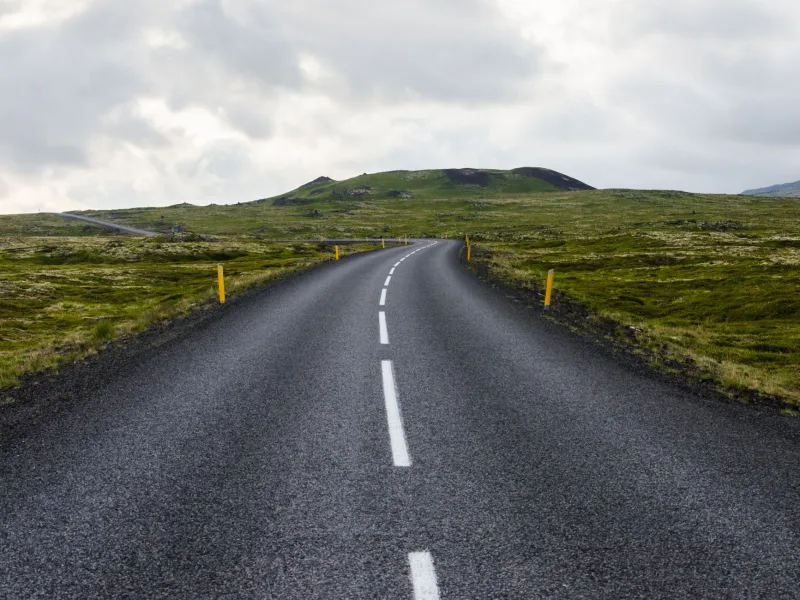
TDU, by losing its multiplayer and forcing players into solo mode, accidentally created that space. And the community found out they'd been missing it.
Solo Play as Community Fuel
Here's the counterintuitive part: the solo experience actually strengthened the TDU community. Not despite the lack of in-game connection, but because of it.
When players stopped sharing the same roads in real time, they started sharing their experiences in new ways. The forums, the fan sites, the early YouTube videos of TDU road trips — all of that grew out of people wanting to communicate something they'd experienced alone. The game became conversational precisely because it was no longer a shared space.
"You have to drive this route at sunset" only works as a sentence if you've driven it alone first and felt something worth communicating. That's the kind of content TDU's community started producing — not match replays, not ranked results, but personal testimony about what a specific stretch of virtual highway felt like on a Tuesday night.
That's a richer cultural output than most online racing games ever generate. And it came directly from the game being, at its core, a solo experience.
What the Legacy Tells Us
TDU Solar Crown is coming, and with it a new set of decisions about multiplayer architecture and online integration. The community is watching those decisions closely, and for good reason — the balance between shared space and personal experience is genuinely difficult to get right.
What TDU's history suggests is that the solo dimension isn't a consolation prize when the servers go down. It's a feature worth protecting from the start. The games that have tried to be purely social have found that the community evaporates when the servers do. TDU's community persisted because the solo experience had enough depth to sustain it independently.
Losing the multiplayer hurt. But what it revealed underneath was something more durable — a game that worked on its own terms, for its own reasons, with or without another player in the frame.
Sometimes the best thing a game can give you is the road and the silence to figure out why you love it.