From Crappy Studio to Cliffside Flex: The Real Estate Ladder, Ranked
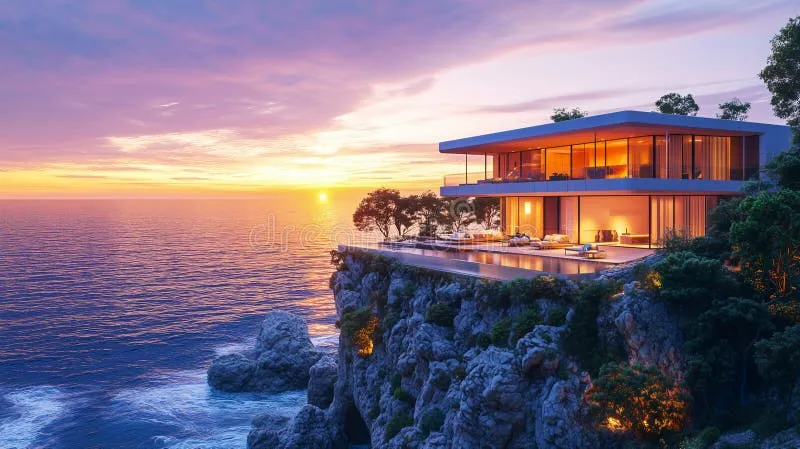
Photo: luxury cliffside mansion overlooking ocean at sunset, via thumbs.dreamstime.com
In most racing games, progression is measured in cars. In TDU, it's measured in where you sleep. The housing ladder isn't just a progression system — it's a status symbol, a flex, and occasionally a trap for your hard-earned credits. Let's rank every tier from bottom to top, with honest verdicts on which ones deserve your money.
Tier 5: The Starter Apartment — "I Live in My Car, Basically"
Let's not pretend this place has charm. It's a box with a bed and a faint smell of regret. Everyone starts here, everyone remembers it, and nobody misses it.
Verdict: You're not buying this — you're escaping it. The only strategy here is speed. Grind the early delivery runs, resist the temptation to blow your first big payout on a car you can't insure, and get out.
Tier 4: The First Real Upgrade — "Look at Me, I Have a Kitchen"
The mid-tier apartments are where the game starts hooking you. More garage slots, a view that isn't a parking lot, and the first genuine feeling of "okay, I'm actually building something here."
Verdict: Worth it, but only as a stepping stone. The classic rookie mistake is over-improving your crib while your garage stays embarrassing. Your house doesn't win races. Your car collection does. Keep the upgrades modest until your bank account catches up.
Tier 3: The Suburban Spread — "I'm a Serious Person Now"
This is the tier where the game starts asking real money, and it's the first home that feels like a statement. Multiple garage bays, actual square footage, and enough space to host a virtual dinner party you'll never have.
Verdict: This is the sweet spot for most players, and I'll die on this hill. It's the best credits-to-quality-of-life ratio on the ladder. If you're a grinder who values function over flex, you could happily finish the game here and never feel shortchanged. The garage capacity alone justifies the price tag.
Tier 2: The Penthouse Life — "I've Made It (Financially, Anyway)"
The penthouses are pure ego, and I mean that as a compliment. Floor-to-ceiling windows, skyline views, and enough garage space that your car collection finally stops tripping over itself. This is where players who've mastered the economy start nesting.
Verdict: Worth it if you're a collector. If your endgame is hooring rare cars and you're tired of shuffling your garage like a Tetris board, the extra bays pay for themselves. If you're a driver who owns three cars and drives the same one, skip it — you're paying for windows.
Tier 1: The Cliffside Mansion — "Money Is a Concept Now"
The top of the ladder. The absolute unit. Perched over the ocean, dripping with square footage, with a garage that most small dealerships would envy. This is the property equivalent of buying a hypercar — nobody needs it, everybody wants it.
Verdict: Here's the honest truth: the mansion is a trophy, not a tool. By the time you can afford it, you've probably already beaten the game's economy, and the practical benefits over the penthouse are marginal. But that's not the point. The point is that you can. The mansion is the game's way of saying "you did it," and for the completionists among us, that's worth every credit.
Which One Should You Actually Buy?
Quick cheat sheet:
- Grinders and min-maxers: Stop at Tier 3 and pour everything into the garage.
- Collectors: The penthouse pays for itself in garage slots.
- Completionists and flexers: The mansion. Obviously. You were always going to.
- Roleplayers: Honestly? Some of you should just stay in the suburban place forever. There's something deeply cool about a player with a nine-figure bank account living modestly.
The real estate ladder in TDU did something most games still haven't figured out — it made where you live matter as much as what you drive. Choose accordingly, and remember: the garage always comes before the granite countertops.