Sunshine, Sprinklers, and Storms: A Definitive Ranking of the Franchise's Weather Systems
Weather in a driving game is a promise. It says: this world is alive, and it will push back. Some entries in the franchise understood that assignment. Others treated rain like a screensaver. Here's the full breakdown, from the forgettable to the unforgettable.
5. The Token Drizzle Era
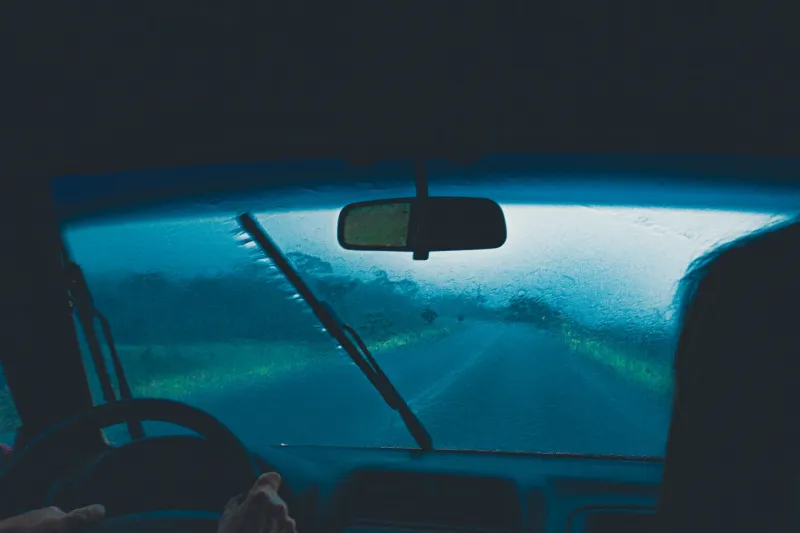
At the bottom sits the entry that treated weather as a checkbox. A gray overlay here, a slightly reflective road there, and a rain effect that looked suspiciously like someone spraying your windshield with a garden hose. Mechanically, nothing changed. Grip didn't budge, visibility didn't suffer, and the whole exercise felt like a weather report for a different game. It was atmosphere as wallpaper — pretty on a trailer, invisible in your hands.
4. The Sunshine Constant
Next up: the installment that technically had weather, in the sense that it was always beautiful. Perpetual golden-hour skies over postcard coastlines look fantastic in screenshots, and to be fair, that was partly the point — the fantasy was endless summer. But a world with no meteorological personality eventually starts to feel like a mall. Gorgeous, curated, and completely indifferent to you.
3. The Cosmetic Downpour
The middle entry got ambitious. Real rain effects, moving cloud cover, night storms that transformed the skyline. The catch? The physics engine didn't get the memo. You could barrel through a monsoon at full send with zero consequence, which broke the illusion faster than any texture pop-in. Still, as pure mood, it worked — players remember those storm drives fondly even if their tires didn't.
2. The Reactive Skies
Runner-up goes to the era where weather started talking to the road. Wet surfaces genuinely changed braking distances. Fog on mountain switchbacks demanded actual caution. It wasn't a full simulation, but the feedback loop was real: the sky changed, and so did your hands on the wheel. That's the threshold where weather stops being a filter and starts being a system.
1. The Gold Standard: Weather With a Memory
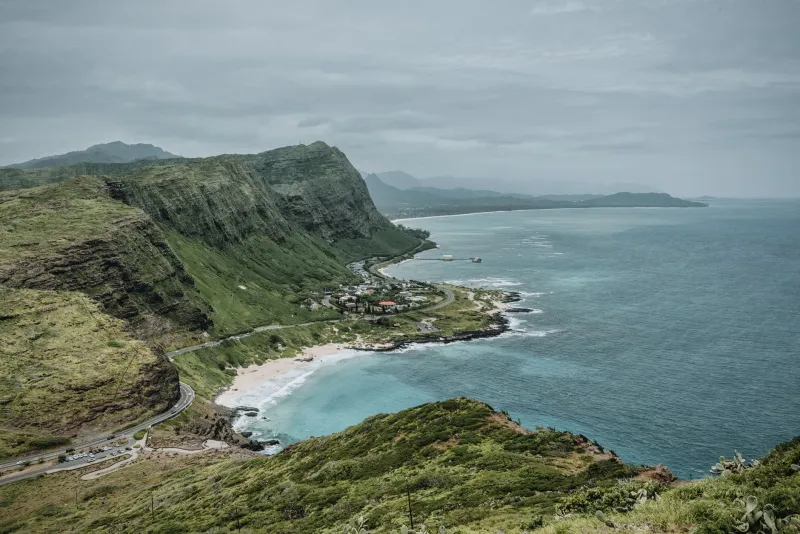
The best weather in the franchise's history is the one players still bring up unprompted: dynamic conditions that rolled across the map in real time, turning a sunny coastal cruise into a white-knuckle wet descent without warning. A Hawaii highway in the rain wasn't just prettier — it was a different road. Racing lines moved. Braking points vanished. Veteran players learned to read cloud banks on the horizon like sailors.
The Verdict for Origins
Borrow the ambition of the cosmetic era, the physics honesty of the reactive era, and the unpredictability of the gold standard — then tie it all to the clock and the map so no two drives are ever identical. Atmosphere shouldn't just look like weather. It should drive like it.